By Near White,
Staff Writer.
Are you addicted to your morning coffee runs or do you just depend on them? If you struggle with differentiating the two, you should learn the meaning of each.
Whether it’s caffeine or something stronger, it’s easy to get addicted to the stimulant. One can become dependent from a source of joy, pride or even a full night’s sleep. Dependency and addiction are completely different phenomena, though one can lead to the other.
Different chemicals can have varying effects on the brain. As a kid, these effects are heightened due to an active development. The lack of complete maturity acts as a catalyst for these harmful chemicals.
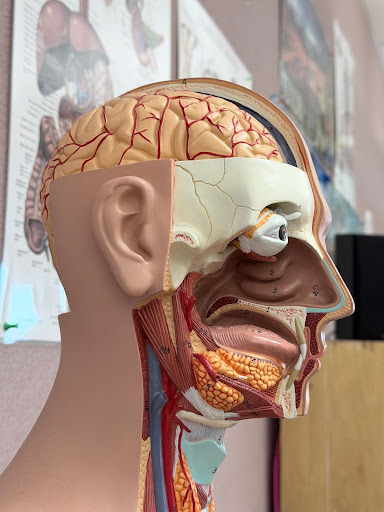
The effects that drugs have on a developing brain can be profound and long-lasting. During adolescence the brain takes on significant changes. New pathways are being written, habits are becoming second nature. Drugs can disrupt these delicate developmental processes, leading to alterations in brain function and activity.
Even years after your first experience you could continue to crave the sensation. “Addiction isn’t a moral failure or a lack of willpower but a brain learning disorder. The earlier this learning starts, the deeper it sets in,” said science teacher Matthew Tsurumoto. The longer you can prolong your curiosity in substances the better it is for your future, or else you will constantly look for the same nostalgic feeling you had years ago.
Addiction is a chronic behavioral condition. It’s demonstrated through the harmful use of substances in a way that interferes with everyday life, despite knowing the consequences. The sudden halt of these frequently used substances result in withdrawals, both physically and mentally.
Common withdrawal symptoms consist of nausea, anxiety, insomnia, tremors, sweating and prolonged cravings. If someone you know is experiencing these illnesses after quitting a substance, it’s likely they are going through withdrawals.
Someone who is taking a prescribed medication, such as pain killers, may become dependent on the medication to function, but this does not necessarily mean that they are addicted. However, it can grow to become as harmful as addiction if usage is not monitored.
If you find yourself unable to function without an energy drink or coffee in the morning, it is likely you have grown a dependency for caffeine. If you begin to experience headaches, nausea, fatigue and cravings on days without caffeine, you have become addicted. This is how a wholesome dependency may become an unignorable addiction.
Here at SRHS and nearly every other high school, it’s common to see students abusing substances such as tobacco, alcohol and marijuana. Use of tobacco almost always turns into addiction. Nicotine causes the user to feel sensations of pleasure and relaxation, though it has deadly effects on the body. If use continues and the user becomes highly dependent on the very substances that could kill them, it is an addiction.
Marijuana has nearly the same effect, though it is lacking in the same harmful substances such as nicotine. Marijuana stunts mental development for youth, though it is not deadly. If one begins to grow a heavy dependency on marijuana, it’s less likely to become an addiction than nicotine because the chemical found in marjuana, THC, is far less addictive than nicotine is, and therefore more likely to remain a dependency.
Even so, the teenage brain exaggerates these feelings, leading to an increased likelihood of addiction if substances are used early on in a person’s life.
It’s abundantly clear that it is not possible to end drug use entirely, but advice can still be given. We hope our readers will take our advice to heart.