By Starly Richards,
Media Editor.
It has been a horror movie summer. Against all expectations, movies like Backrooms and Obsession have dominated the box office, and over the past month a new contender has entered the arena.
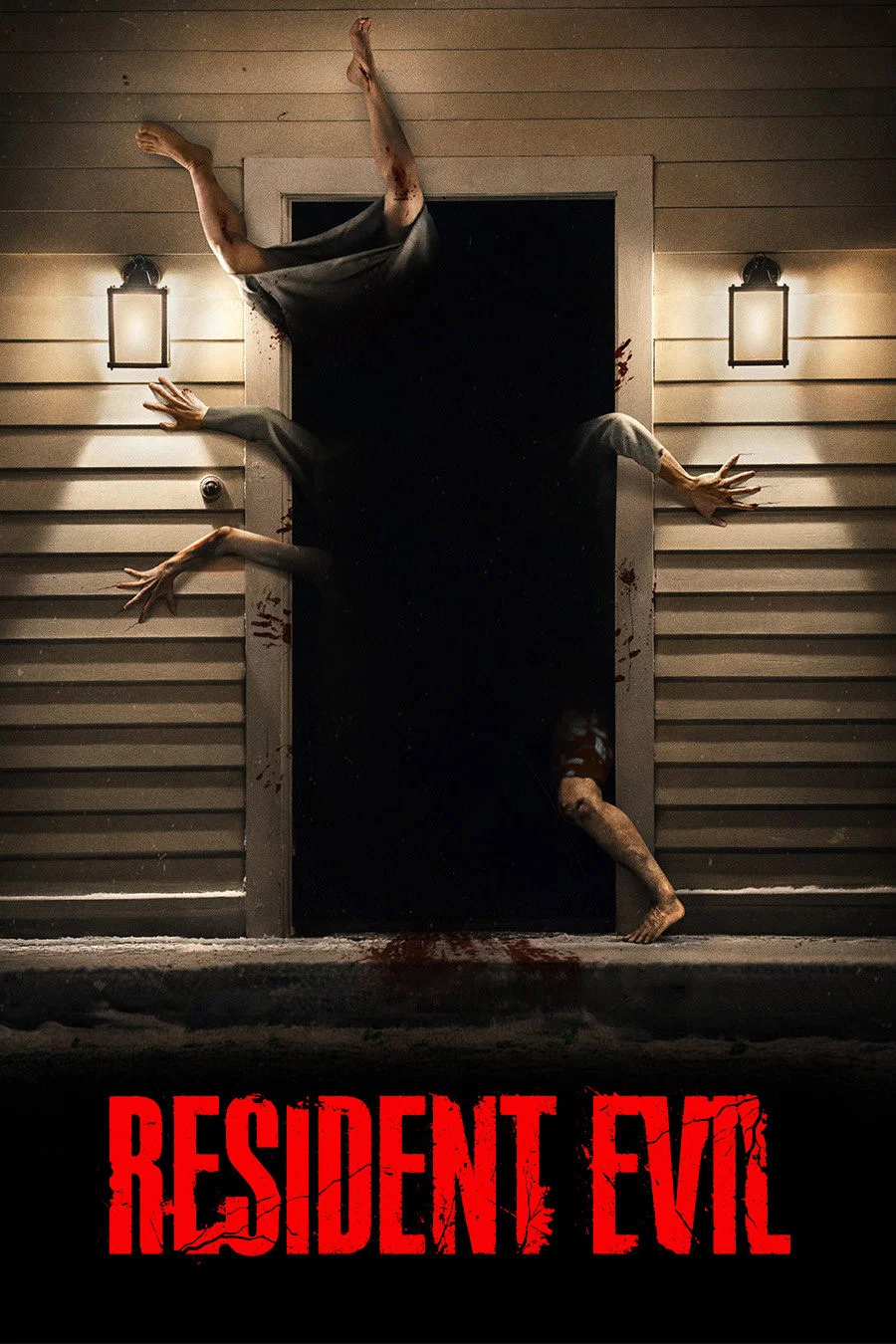
Resident Evil, released Sept. 18 and directed by Zach Cregger, is the eighth movie inspired by the eponymous video game, which originally came out in 1996. Starting in 2002, the first six Resident Evil movies all followed the same storyline, and the seventh was a reboot that flopped among fans of the franchise.
This new movie approaches the world of Resident Evil from a new perspective unrelated to the storyline of the games or previous films. It also introduces a new protagonist. Bryan, a medical courier, is asked to deliver a high-paying and very time-sensitive package to a hospital in Raccoon City, where much of the mayhem in the Resident Evil games takes place.
Bryan agrees to deliver the package, despite the snowy conditions ahead. While driving and taking a call from his upset girlfriend, he accidentally hits a strange woman with his car — the first jumpscare of many in the movie. Detailed, grotesque visuals accompany Bryan’s journey to Raccoon City as he fights to deliver the package on foot after his car is totaled. Wielding guns he doesn’t know how to use, he attempts to protect himself from rapidly evolving zombie-like monstrous people.
Once he reaches the city, the frequency of jumpscares slows. The fear, however, does not. Through sound design and visual story building, the suspense is only heightened.
The film’s transition from excessive jumpscares to visual discomfort reflects Bryan’s gradual desensitization to the horrors of what’s probably the worst night of his life. Under Cregger’s direction, the viewer feels the same fear, excitement, sorrow and sense of urgency as Bryan.
Beyond the plot, the movie was also captivating in its cinematography. The movie’s absorbing cinematography at times feels like a first-person shooter or a cutscene that gives you a pause from the action. It lets the viewer see through Bryan’s eyes as he carries out his mission. The movement of enemy characters operated like those in a video game and there were obstacles that Bryan had to overcome that felt like a level rather than a real situation, but without breaking the believability of the film. “More video game adaptations should try to do that when bringing it to the big screen,” said senior Lena Meline.
The movie is relatable to younger audiences, with sarcastic humor and Bryan’s less-than-serious reactions throughout; the entire movie reflects a Gen Z attitude. In his behavior, reactions and slang, he doesn’t come across like a 40-year-old in a 20-year-old’s body, which has been an issue with older writers creating younger characters as of late.
“Young people right now are really enjoying horror movies that have fun with their subject matter, and aren’t all doom and gloom,” said Meline. In Resident Evil, Bryan regularly talks to himself, and comedically yelps for just a little too long when he’s caught off-guard. “Yes, it’s scary, but it’s also a really fun time,” Meline said. “And it’s almost even silly at times. Which doesn’t surprise me, because Zach Cregger is one of the most popular movie directors right now among Gen Z and teenagers.”
Overall, this is an amazing horror movie. It’s terrifying, but entertaining and personal enough to keep horror enthusiasts captivated. Years from now, when people talk about 2026 as the year of the cinematic renaissance, they’ll have to include Resident Evil.