By Nico King Gile,
Staff Writer.
Only 10 schools have ever fallen into state receivership in California since 1991 when the very system was created; Santa Rosa City Schools District is soon to be 11th if its looming budget crisis is not dealt with. Receivership would strip everything away, aside from the most basic level of schooling.
On its current trajectory, the district will run out of money by the third quarter unless it fixes the immediate gaping budget deficit. Even if it does, SRCS is still in danger of entering receivership. The district sends budget check-ins to the state twice a year and, when in financial straits, they send it to the county too. If the district’s expenses are higher than revenues, the budget will receive a “negative” designation from the state. If the district receives two negatives in a row, the state will take over.
First, state reviewership allows the state to take complete control over the district and all of its assets. They put a head controller in place who has nearly total power and can take funds otherwise inaccessible such as charity accounts, which many clubs and student groups use. The state with its combined board and district powers would have more power over union contracts, allowing the state to bargain less favorable contracts.
Only once the financials have been reestablished to be in the green can the school begin the excruciatingly long road to recovery. Before leaving state receivership it must pass 150 FCMAT standards. These cover financial management, pupil achievement, facility, faculty management and community relations. Even after these are met and the state administrator leaves, the school must finish paying off its loan, the haunting shadow of its past mistakes. In this stage, the school comes under a county trustee who has less control but can still veto financial decisions from the school board.
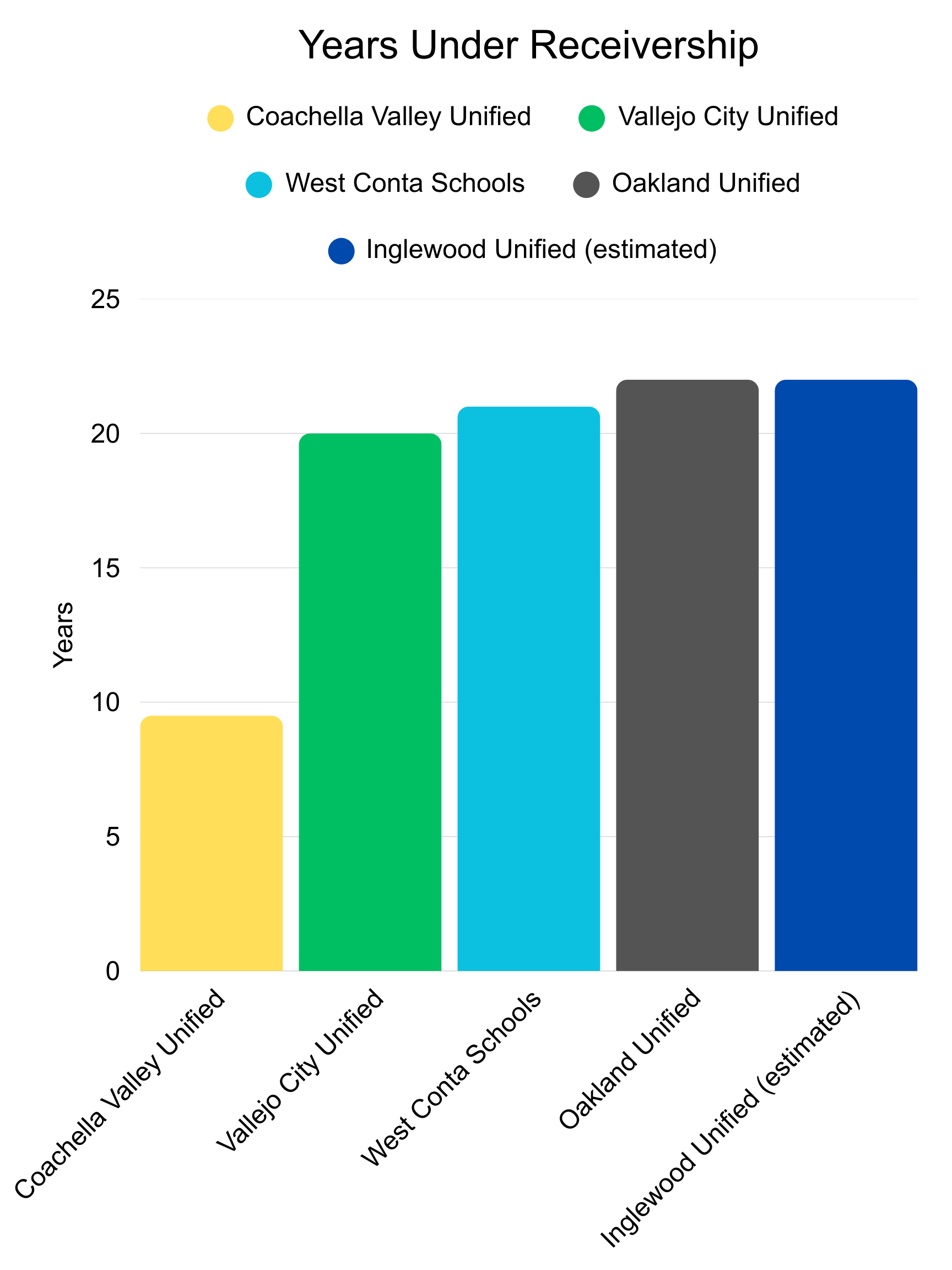
Paying off these loans takes a long time, especially for larger districts such as our own. Yet we would likely not take as long as Oakland Unified School District, which took a $100 million loan and spent 20 years in austere receivership paying it off. Part of what takes so long is the interest on the loan itself. West Contra Costa Unified School District had to pay $19 million in interest and fees for a $28 million loan, literally paying for its mistakes.
However, the financial troubles do not leave with the state. Coachella Valley Unified, which got a loan in 1992, is back cutting hundreds of jobs despite leaving receivership in 2001. Another district still under receivership after 13 years, Inglewood Unified, is closing five schools this year. Inglewood is expected to pay off its debts by 2034. So whatever the choices are of the district and its people, their decisions now will echo into the future of this district and its students.
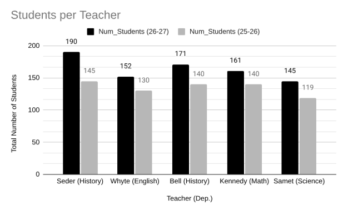
And there are so many reasons why the district does not want this to happen. Librarians, bus drivers, counselors and nurses would get cut back or laid off. The discounted price for AP tests, the school newspaper and ArtQuest get cut back. Sports, too, would lose monetary support from the district, as well as funding for classrooms. History teacher Ashley Bell said teachers “already have a hard time getting basic supplies.” Prospective teachers seeing a district with jobs in jeopardy and a weaker union will be less drawn to the district, and these new teachers bring innovation for the students. Another way it would reduce the quality is the number of students one teacher can have. Since this is negotiated by the teachers’ union (SRTA), as the union falls into the “tricky” situation of negotiating with a state overseer, it might have to concede increases, forcing teachers to fit in more students and reducing the amount of time they have for each student. It may even make teachers leave the district; as for Bell, it would “not be good for my finances.”
Bell is “deeply concerned” because “last year we made pretty monumental changes and consolidation of sites. . . we were supposed to save $12 million and we saved like 6 or 7 million.” Because of that it likely will not make payroll by the third quarter. New ideas are being proposed: a 6% faculty pay cut, admin pay cuts and accelerated middle school closures. Yet these options don’t seem to be enough; the district needs to save millions and these measures, by current estimates, will not.
If you want to have your voice heard on these issues go to the site council meetings, announced by email, and school board meetings, which are currently every other Wednesday at Santa Rosa High.